
A simple daily science bell ringer routine that gets middle schoolers thinking like scientists the second they walk in.
The first five minutes of class used to get away from me. I stand at the door every morning saying hi to students as they come in, and some of them are bouncing off the walls while others can’t wait to spill the tea to their best friend about what happened last period. For years, I didn’t have a real routine for those first few minutes. Kids came in, wrote down their homework, got out their stuff, and dropped their backpacks in the back while I took attendance and helped a few who were having a hard time with school. By the time everyone was settled, five minutes were already gone, and we hadn’t even started. I needed something to fill that gap, and that’s where bell ringers come in.
What science bell ringers are
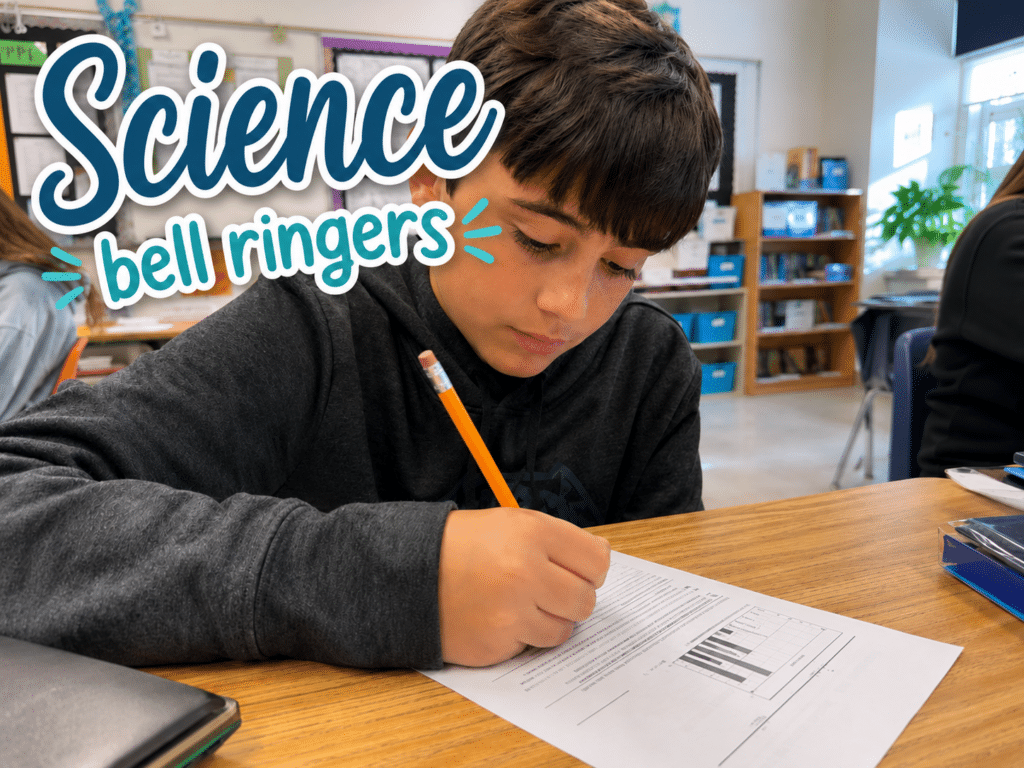
A science bell ringer is a short science task that students start the second they sit down. While they review a concept, dig into some data, answer a question, or read a diagram, you get a few minutes to take attendance and get the class going. It’s a routine that has students thinking about science from the very first minute, before you’ve even said a word.
Why I use them
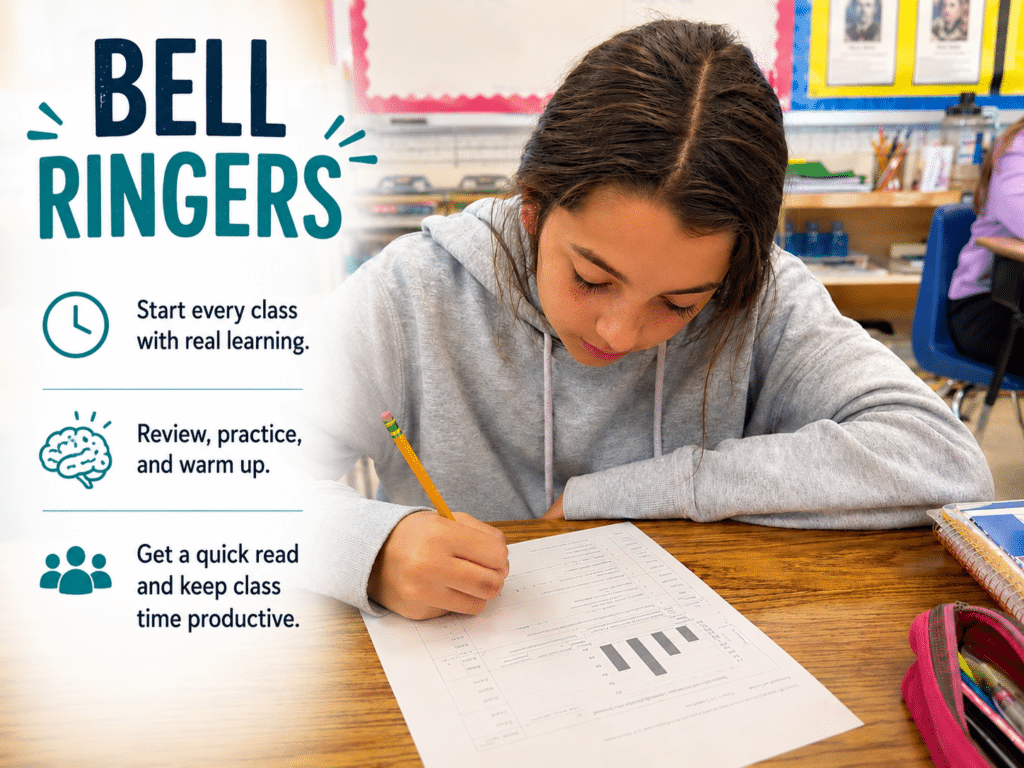
Bell ringers are an easy way to start every class with real learning instead of dead time. They let students review yesterday’s lesson, practice vocabulary, and warm their brains up before a new topic. They also give me a quick, informal read on who’s got it and who needs a few minutes in a small group. And they keep those first few minutes calm and productive instead of chaotic.
Types to pull from
To keep the routine from going stale, it helps to know the different kinds of bell ringers out there. You can mix and match, but I’d pick a couple and stay consistent so the routine keeps running itself. Here are some to pull from:
- Review. A few quick questions on yesterday’s lesson, or a diagram to label.
- Skills practice. Read a data chart, graph a set of numbers, or work through a calculation like speed or density.
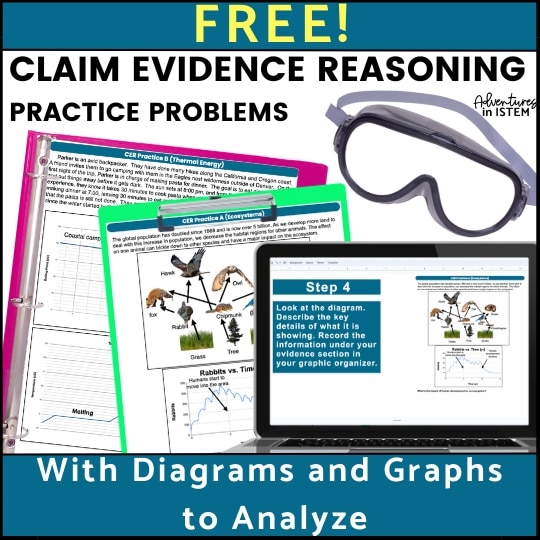
- Critical thinking and CER. Put up an image or a phenomenon and have students make a claim, find evidence, and explain their reasoning.
- Vocabulary. Use a science word in a real sentence or find it in a diagram, not just match it to a definition.
- Reflection. A quick journal line about what they learned or what’s still confusing.
- Prep for the day. Predict what’ll happen in today’s lab, or list and grab the materials they’ll need.
The version I keep coming back to
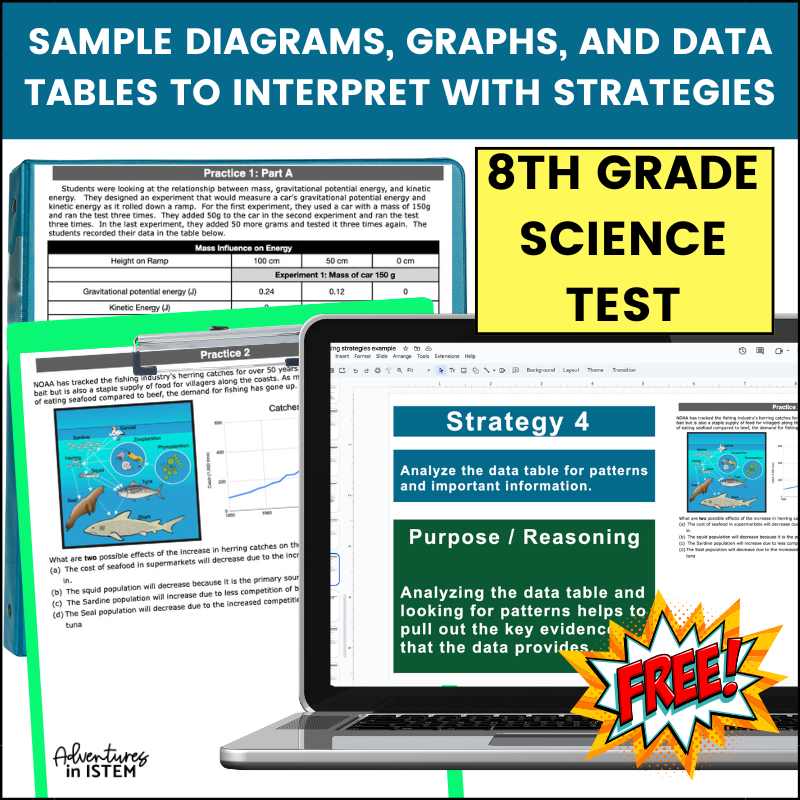
My favorite kind is built around one image a week. I put up a graph, a data table, or a diagram on Monday, and that same image carries the whole week. Monday through Wednesday, students answer multiple-choice questions about it. Thursday and Friday, they switch to open-ended answers about that same image. Because the picture doesn’t change, the thinking gets deeper as the week goes on, and the format is predictable enough that nobody needs me to re-explain it.
I organized my whole set by science standard, with the main focus on the NGSS skill of analyzing and interpreting data. Practicing with different graphs, data tables, and diagrams is how students become masters of that skill.
If you’d rather not build a year’s worth from scratch, I’ve already done it for you.
Grab my Science Bell Ringers & STEM Warm-Ups over in my TpT store.
How I keep them organized
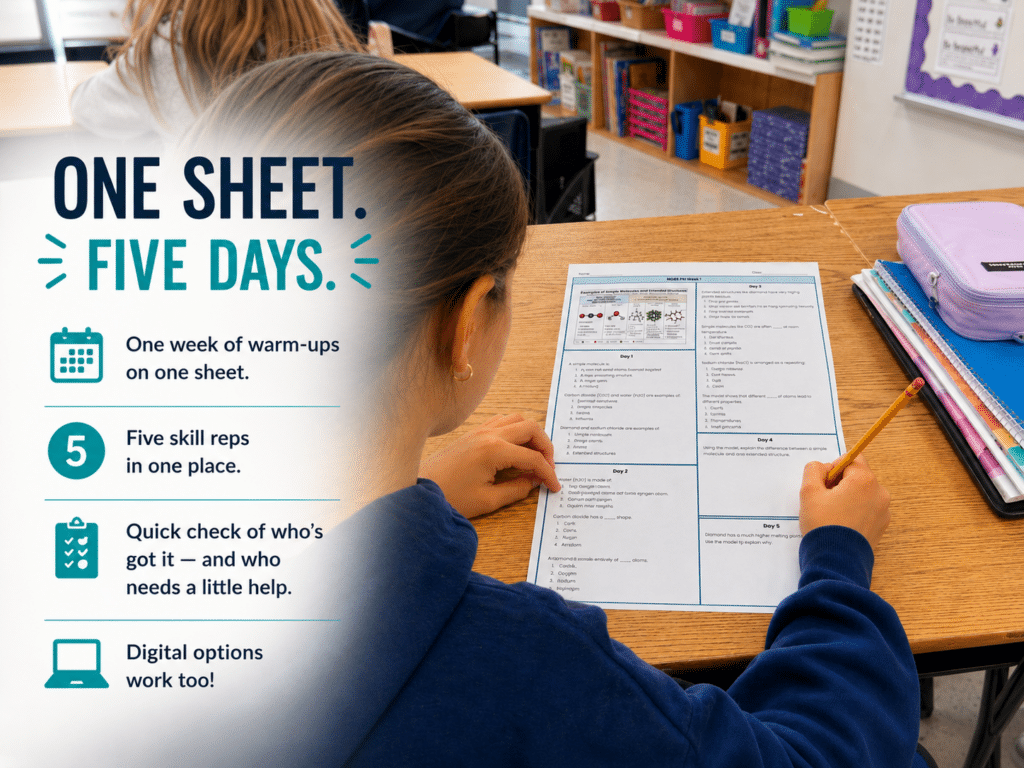
I like to keep the whole week’s warm-ups on one sheet. Students grab it on Monday, and it stays with them all week, so by Friday, every kid has five skill reps in one place. I collect one sheet a week instead of chasing down five loose scraps of paper, and I can see at a glance who’s getting it and who needs a little small-group time. Other teachers I know use either a Google Form that students fill out or a shared Google Doc. Any of those work, so go with whatever fits your class.
How to get started
Getting started is easier than you think. Here is how I’d do it:
- Pick one format. Start with one consistent type, like review questions, vocabulary, graphs, or CER prompts.
- Have it ready before class. Put the bell ringer up before students walk in so they know exactly what to do the second they sit down.
- Teach the routine. Tell them the bell ringer is the first thing every day, and model what finishing it looks like.
- Stay consistent. Use one every day for the first few weeks until it runs itself. Then use their answers to review, check for understanding, and roll into your lesson.
A bell ringer routine seems like a small change, but it’s one of the easiest ways to bring calm and structure to the start of class while sneaking in real science practice every single day. Put your first one on the board before the bell rings on Monday, and let those first five minutes work for you all year long.
Do you already use bell ringers in your science class? I’d love to hear what your students respond to most.