
Most of my students can get an answer from AI in about ten seconds. What they can’t do yet is tell if it’s accurate, if it’s making something up, or what they actually learned from the answer. That’s the whole reason I teach them how to use AI. I want
There’s a big difference between using AI to make a worksheet and using it to build a whole 5E model unit. Anybody can ask for a worksheet. Building a coherent unit where every lesson connects, the hook sets up the lab, the lab sets up the notes, and it all
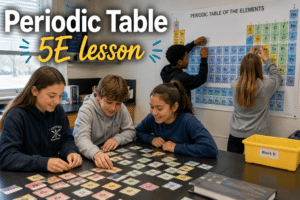
Most periodic table units follow the same script. The focus is on having students learn how to read a period and a row, and then move on to the three main categories. Students do color-coding activities, watch videos, and do a variety of interactive notebook activities, then end with a
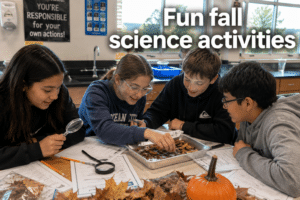
Fall is when we hit that long stretch of teaching where there doesn’t seem to be an end in sight. Labor Day feels like it happened forever ago, and Veterans Day still seems so far away. But as the weather cools, the leaves begin to turn, apples and pumpkins pop
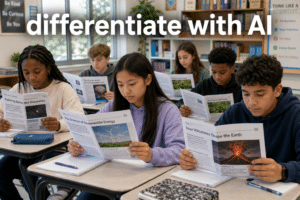
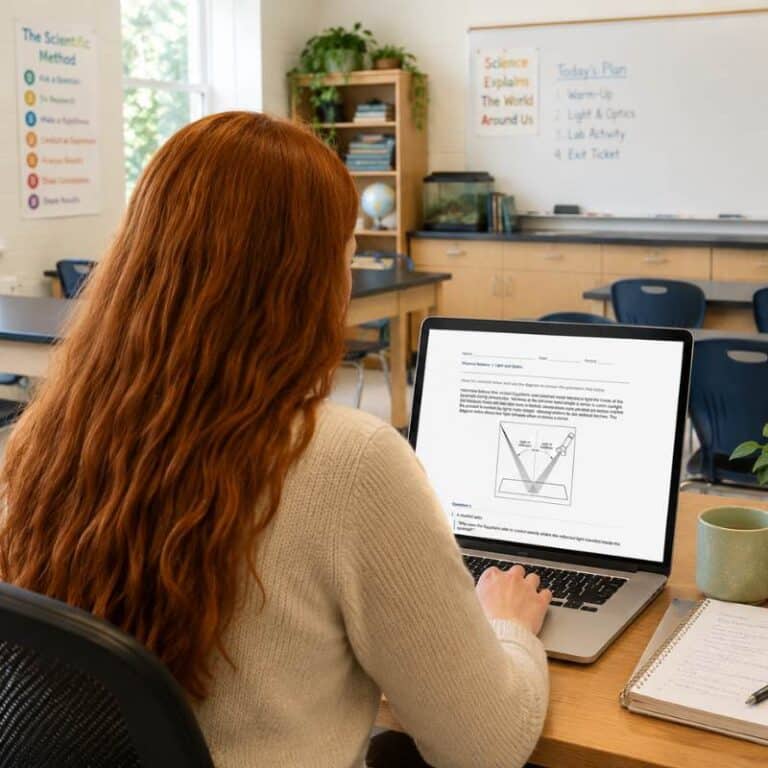
One thing that has really saved me time this year is AI lesson planning. I use it to help differentiate my lessons and better meet the needs of my students.” I create my own one-page science readings and try to write them at grade level. The problem is that not

I try to plan out my next week’s lessons before I head out on Friday. But life usually gets in the way, and so it’s usually Saturday or Sunday morning, trying to figure out what I’m going to teach and get it all done before the kids wake up, which
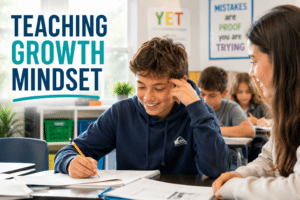
Life is about making mistakes and learning from them. Anytime you try something new, you are going to make mistakes. It is an unavoidable part of life. Science is no different. Every discovery you teach this year sits on top of a pile of failed experiments and ideas that turned
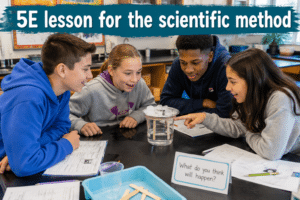
I have always been a fan of teaching the scientific method. Plus, knowing food was the key to my students’ hearts, still is, I loved using candy to help them learn about the scientific method. Fast forward 28 years, and that is still what I am doing. However, I have
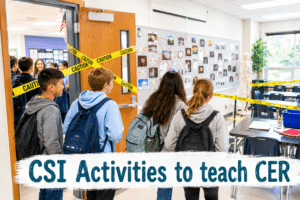
Picture the first week of school. Instead of a syllabus and a seating chart, your students walk into a crime scene. There’s a case to solve, evidence taped to the board, and a room full of kids who suddenly forgot they were nervous about the first day. They’re arguing about
Why AI literacy matters for our students, and a few simple ways we can start teaching it. More than half of our students are already using AI. A recent Pew Research Center survey found that more than half of teens say they have used an AI chatbot to help with
I’m just going to put this out there. AI isn’t here to replace great teaching. It’s here to support it. Think of AI as your teaching assistant helping you plan lessons faster, personalize learning for your students, provide meaningful feedback, and spend less time on repetitive tasks so you can
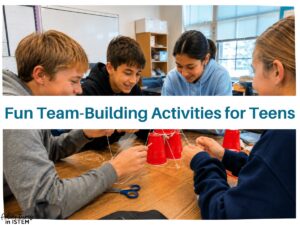
I’m not the type of teacher who likes to start the first days of school by going over the syllabus and talking about rules. I teach mostly 8th graders, and by now, they know the basic rules. Classroom and school rules really haven’t changed much since they started kindergarten. Now,