
By October, it’s been a long time since the last break, and students are starting to get a little crazy. Add Halloween to that, and you hit a new level of energy. I like to embrace the chaos and just go with it using some fun fall science activities.
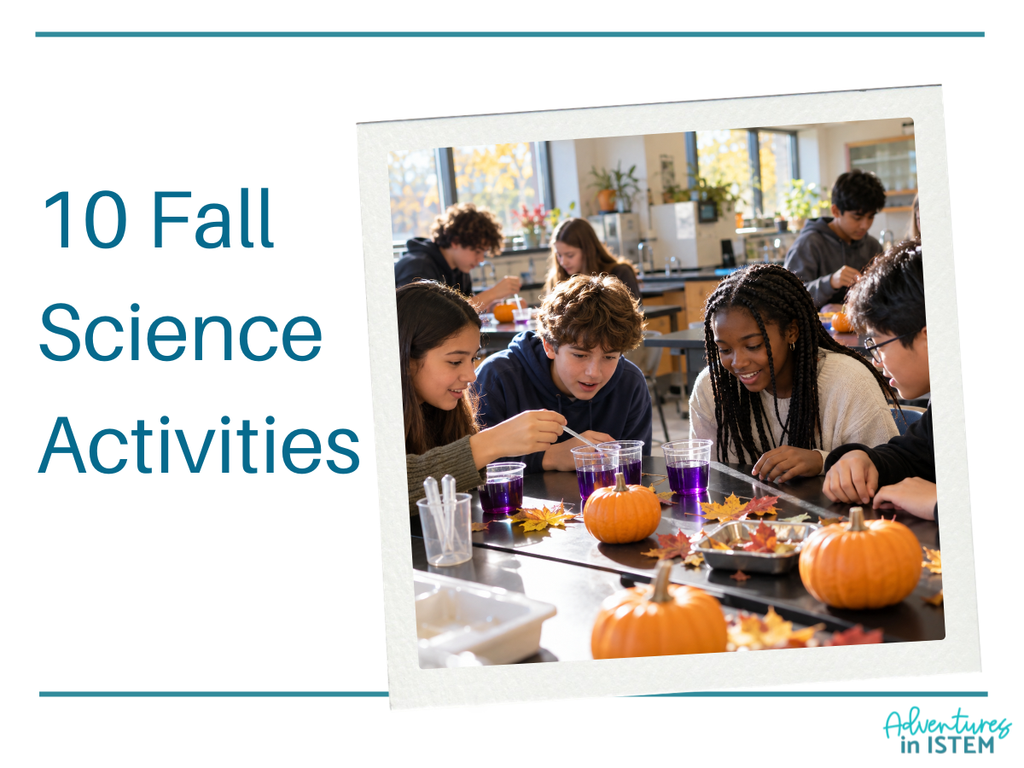
10 Fall Science Activities for Middle School Science
1. Haunted House Hoax CER Mystery
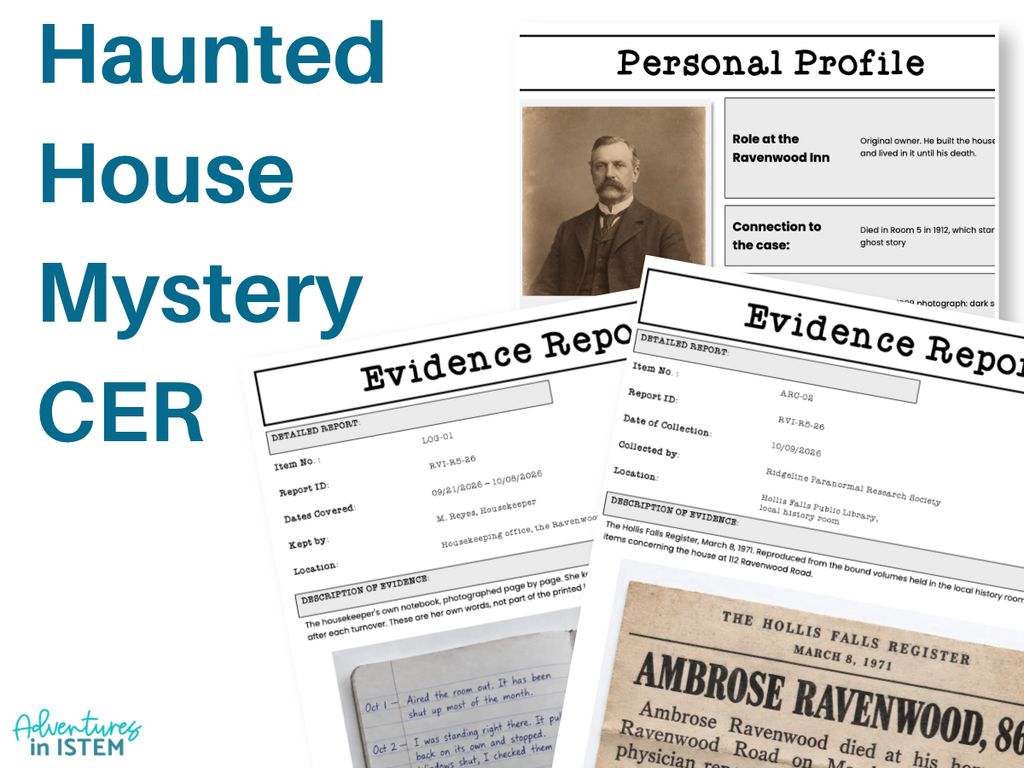
Is the Ravenwood Inn haunted? That’s the one question your students have to answer. The inn was built in 1878, a man died in Room 5 in 1912, and the town has whispered about it ever since. Now the new owner’s guests are reporting a cold spot by the north wall, objects rolling to one corner, and a curtain that pulls back on its own with the windows shut and latched.
Students are the fourth team called in to investigate. They work through a case file with paranormal investigation reports and real data tables (EMF readings, wall temperatures, infrasound, and marble tests), five people of interest, old newspaper clippings, and evidence photos, including a surprising find in the attic. Then each student writes one claim, evidence, and reasoning argument. Is it haunted or not? Sentence starters, CER frames, and a rubric are built in. It’s made for grades 6 to 8, runs about 2.5 class days, and comes in print and digital.
This haunted house CER mystery is a fun way to get students looking at evidence and writing claim-evidence-reasoning paragraphs to support their claim about whether the place is haunted.
2. Leaf chromatography
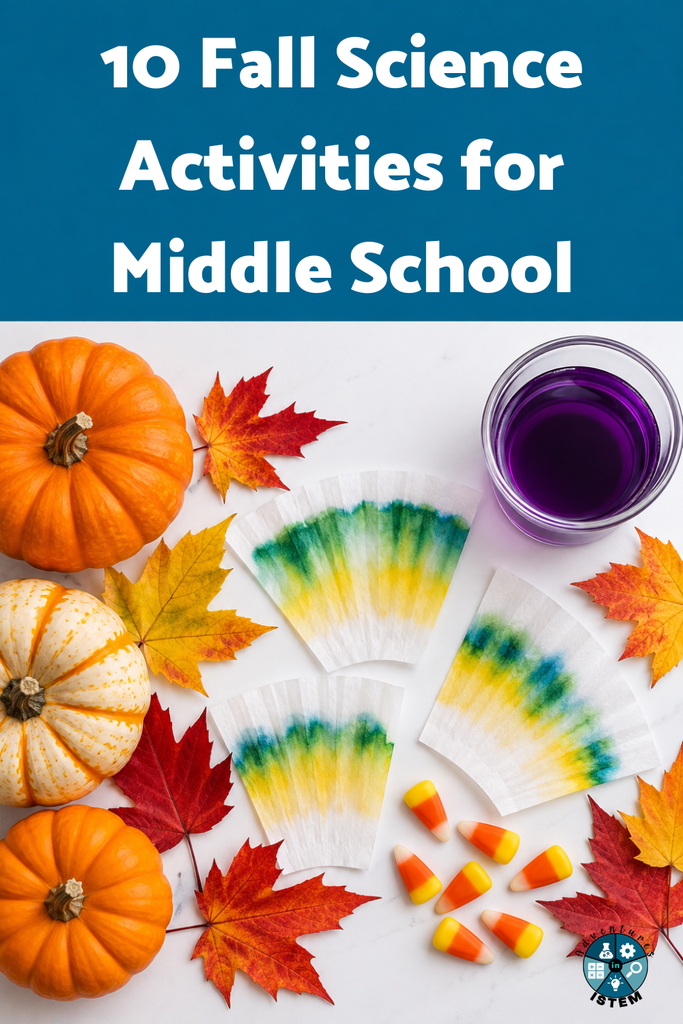
Why do leaves change color? Have students tear a few green leaves into tiny pieces, mash them into a small jar, and cover them with rubbing alcohol. Then repeat with red leaves and orange leaves to compare the stages. Set the jars in a tray of hot tap water for about 30 minutes, then place a strip of coffee filter so the tip just touches the liquid. Over the next hour, the pigments creep up the paper and separate.
The yellows and oranges were in the green leaf all along. They were hidden under the green chlorophyll, and in the fall, the chlorophyll breaks down first. They can also see how the green chromatography compares to the other leaf colors. Ask them which colors show up on all leaves, and which ones don’t.
3. Halloween Genetics: Monster Genetics and Pumpkin Genetics
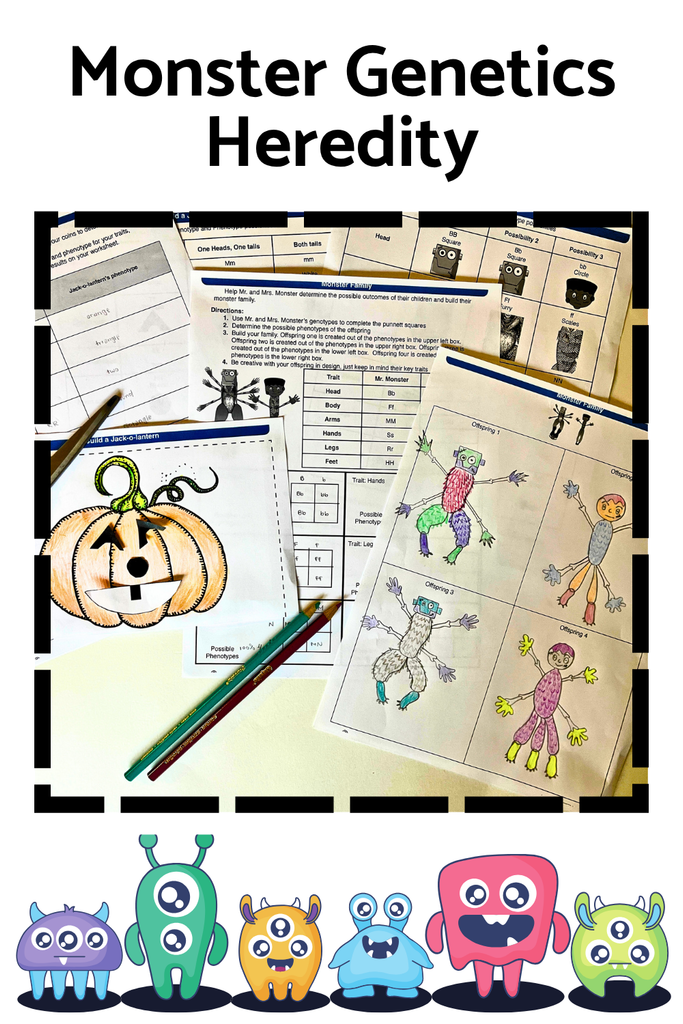
If you are teaching genetics during this time, then having students create monster families is a great way to practice and review. Students use Punnett squares to figure out which traits get passed down to monster and pumpkin offspring, working through dominant and recessive alleles and genotype versus phenotype along the way. It’s two Halloween activities in one, and the genetics is the real thing. You can create your own or grab my Halloween Genetics: Monster and Pumpkin Genetics activity that is ready to print now.
4. Pumpkin sink or float
Bring in a few pumpkins of different sizes, a mini pumpkin or two, and a tub of water. Even better if the pumpkins are also different colors. A cooler or a clean recycling bin works. Have students predict which ones will sink and write down why before they test anything. Then you can weigh them if you want to first before testing. A bathroom scale works fine for this. See if they want to change their prediction after they find the mass. Then do the test.
Pumpkins float, even the big heavy ones, because they’re hollow and full of air, so their overall density is less than the water’s. It’s a natural setup for the difference between mass and density. Add an apple and a small gourd to the lineup for a few more predictions.
It is also fun to then move on to other objects like marbles, golf balls, washers, and other objects that might throw students off.
5. Pumpkin Catapult Engineering Design
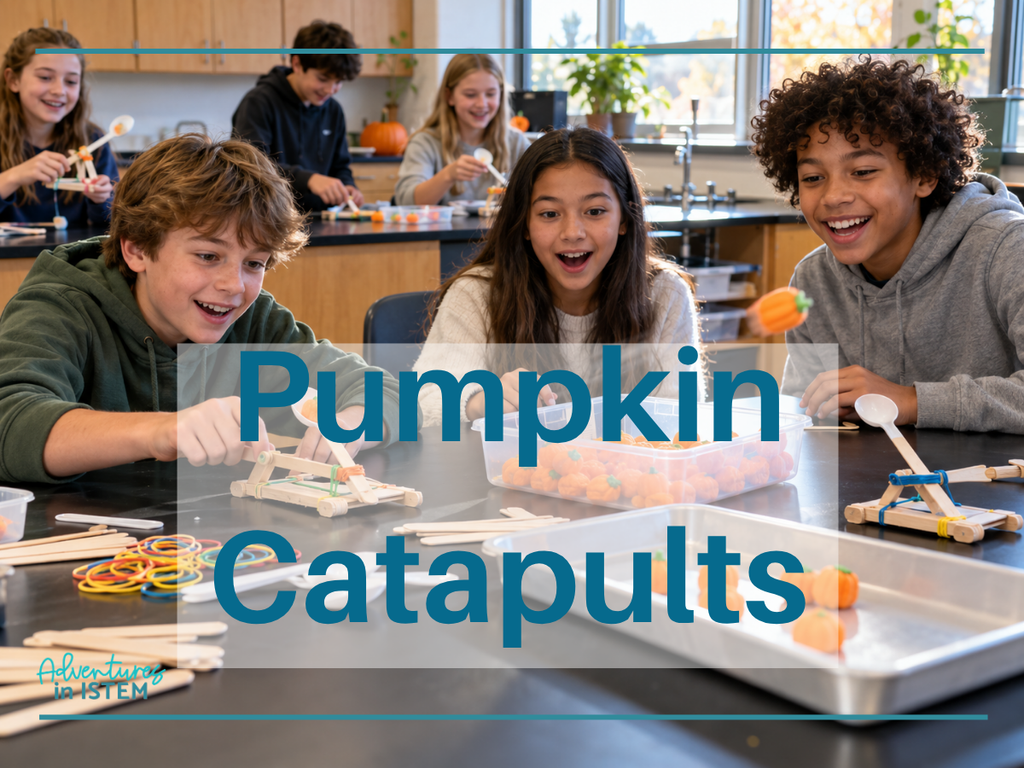
One of my favorite things to watch on the Discovery Channel is the pumpkin chunkin contest. I find the engineering design in the creations they build really interesting. Students can do a mini version of this.
Students design and build a catapult to launch a pumpkin (pumpkin marshmallow), test it, and then improve it. It takes them through the full engineering design process, and they’re working with force and motion the whole time. You can create your own or grab my Pumpkin Catapult Engineering Design challenge, where I have created it all for you, including adding information on the different types of catapults.
6. Witch’s brew
Chop up half a red cabbage, steep it in hot water for about 10 minutes, and strain out the purple liquid. I recommend having a window open and the vent on, as the smell is not a pleasant one. That’s your potion, and it’s also a pH indicator. Pour some into clear cups so students can see the color (save the plastic cauldron for show). Add a spoonful of baking soda and the brew turns blue-green. Then pour in vinegar. It fizzes up and shifts toward pink and purple.
I also enjoy adding dry ice to make it bubble, and they can see the color change due to carbon dioxide. You can have fun testing lots of different household kitchen chemicals like soap, lemon juice, soda, and some cleaning solutions. You can have the students predict what they think will happen and then show them.
7. Ghost rockets
You need film canisters (the kind with a lid that snaps inside the rim) or small plastic containers with a tight snap-on lid, plus effervescent antacid tablets and water. It is important that your lid is one that snaps on and off easily and not a screw-on. Have students draw a ghost on a strip of paper and tape it around the canister. Outside, with goggles on, they add a teaspoon of water and half a tablet, snap the lid on, set it lid-down on the ground, and step back.
Carbon dioxide builds up until the pressure pops the lid and the ghost shoots up. That’s Newton’s third law in action. Let students change the amount of water or tablet and measure what happens to the height, and it turns into a quick controlled-variable investigation.
8. Apple oxidation
Slice an apple and set out pieces with different treatments: lemon juice, plain water, plastic wrap, and nothing at all. Keep everything else the same. One apple, same-size slices, same spot on the counter. Have students check them every 10 minutes and record what they see. Then leave them overnight and check on them again the next day to see how they have changed after 24 hours. Note: if you have an ant problem, do not do this step.
When the cut apple meets oxygen in the air, a chemical reaction turns it brown, so anything that blocks the oxygen or adds acid slows it down. It’s a chemical change and controlled variables in a lab you can set up in five minutes, and it works as a science-at-home activity for families too.
9. Candy Science Labs
The first day back after Halloween is the perfect time to do a lab with candy. You can review the scientific method by having them do different experiments with the candies they have. Gummy candies are perfect to test different solutions with to see how they affect the growth of the candy. When they are done, I let them eat their leftovers. I figure they would want to eat them anyway and will try to sneak it in, so I might as well teach them some science at the same time. You can create your own lab or grab my Candy Science Labs if you want ready-to-go ideas.
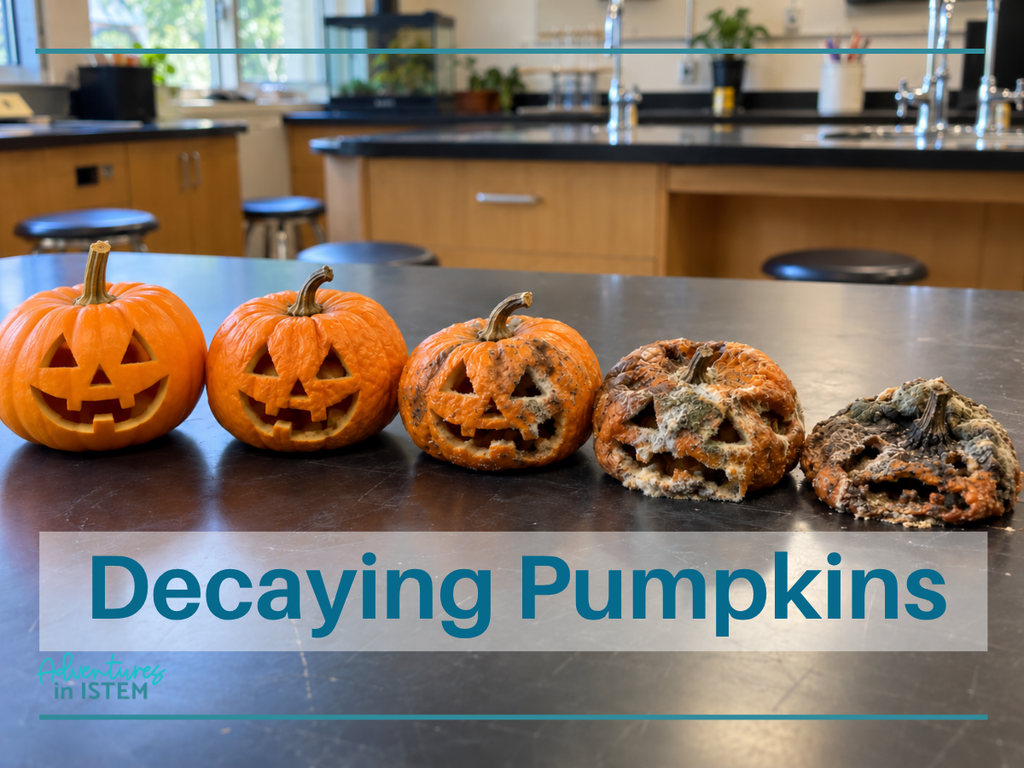
10. What keeps a jack-o’-lantern fresh the longest?
Give each group a mini pumpkin with the same small face cut into each one. (Cut them ahead of time, or use kid-safe pumpkin carving tools.) Leave one cut mini pumpkin alone as the control. Then let students try different ways to keep their jack-o’-lanterns fresh: petroleum jelly rubbed on the cut edges, a spray of vinegar, a coat of lemon juice, or let them research and choose. Keep everything else the same: same-size pumpkins, same cuts, and the same spot in the room.
Have students check them every day and record what they see, with a photo each time. Mold, soft spots, shriveling. A carved pumpkin breaks down because the cut opens it up to mold and bacteria (decomposers) and lets it dry out, so students are really testing what slows the decomposers down. If you do this during the first few weeks of October, they can use this knowledge for keeping the jack-o’-lanterns at home fresher longer for Halloween.
Turn any of these Halloween science activities into a CER
Each one of these activities could be taken to the next level by having them write a claim, evidence, and reasoning paragraph based on their findings. This will give them practice stating their claims, baking them up with evidence from the activity, and explaining in the reasoning.
Pick one or two this fall season
You don’t need to run all 10. Pick one or two that fit what you’re already teaching and use it to embrace the chaos and have a little fun all while teaching the students about science.
Which fall or Halloween science activity do your students ask for every year? I’d love to hear what’s on your list.